Storing excess solar energy for nighttime use is becoming increasingly crucial as the solar industry evolves. According to the International Energy Agency (IEA), global solar capacity reached 1,000 gigawatts in 2020, with significant growth expected. However, the challenge remains: how to store excess solar energy for night use effectively. Experts like Dr. Jane Houston, a prominent authority in renewable energy storage, emphasize the importance of efficient storage solutions. She states, "The future of solar power depends on our ability to store energy for when the sun isn't shining."
Technological advancements in battery storage, such as lithium-ion and emerging solid-state batteries, play a pivotal role. These innovations have improved energy density and reduced costs, making storage more accessible. Yet, questions linger about sustainability and environmental impact. Local grids must adapt to integrate these storage systems seamlessly.
While progress is evident, not all methods are perfect. For example, pumped hydro storage requires specific geographic conditions. Balancing costs and efficiency remains an ongoing debate. As the quest to find viable solutions continues, understanding how to store excess solar energy for night use will be vital for a sustainable energy future.
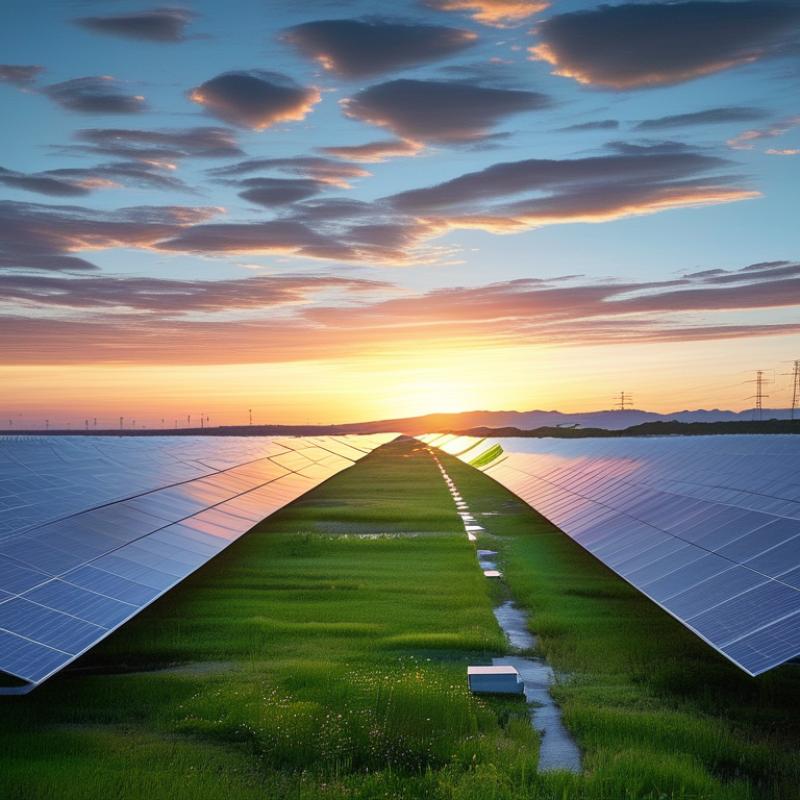
Understanding the Importance of Storing Solar Energy for Nighttime Use
Storing solar energy for nighttime use is crucial. This ensures homes can utilize renewable energy even after the sun sets. Many solar systems generate more energy during the day. If this energy is not stored effectively, it is wasted. Proper storage can reduce reliance on fossil fuels, resulting in lower bills and fewer emissions.
One effective way to store solar energy is through batteries. Lithium-ion batteries are popular due to their efficiency. They can store excess energy generated during peak sunlight hours. These batteries release stored energy when needed, such as at night. However, battery systems can be expensive. Weigh the costs against the savings on energy bills.
Another option is pumped hydro storage. This method uses excess solar energy to pump water uphill. When energy is needed, the water is released, flowing down to generate electricity. While this system is reliable, it requires suitable land and resources.
Tip: Evaluate your energy needs before deciding on a storage system. Understanding your usage helps maximize efficiency. Also, consider maintenance costs of your chosen system. Regular upkeep ensures longevity and performance.
Overview of Different Energy Storage Technologies for Solar Energy
Storing excess solar energy for night use is essential for maximizing investment in solar technology. Different storage methods are available. One common approach is lithium-ion batteries. These batteries are efficient and have a long lifespan. However, they can be expensive.
Another option is pumped hydro storage. This method uses excess solar energy to pump water uphill. At night, the stored water is released to generate electricity. It is a reliable and scalable solution, yet geographically limited.
Thermal storage is gaining popularity too. This involves storing heat in materials like molten salt. It allows for energy release during peak demand. While effective, the technology can be complex and requires significant infrastructure.
Tip: Always assess your energy needs. Choosing the right storage method depends on various factors. Consider local climate, budget, and available space.
Investing in solar energy storage is a step forward. However, it's crucial to think critically about the technology and its limitations. Each method has its pros and cons. Explore different configurations to find what truly suits your lifestyle and needs.
How to Store Excess Solar Energy for Use at Night? - Overview of Different Energy Storage Technologies for Solar Energy
| Technology |
Energy Capacity (kWh) |
Efficiency (%) |
Lifespan (Years) |
Cost ($/kWh) |
| Lithium-ion Batteries |
10-15 |
85-95 |
10-15 |
300-600 |
| Lead-acid Batteries |
5-10 |
70-80 |
3-5 |
150-300 |
| Flow Batteries |
10-100 |
70-80 |
10-20 |
300-500 |
| Pumped Hydro Storage |
Up to 1000 |
70-90 |
30-50 |
<100 |
| Compressed Air Energy Storage (CAES) |
100-150 |
60-80 |
20-40 |
250-400 |
Evaluating Battery Options: Lithium-ion vs. Lead Acid and Beyond
When considering battery options for storing excess solar energy, two main types come to the forefront: lithium-ion and lead acid. Lithium-ion batteries offer high energy density and efficiency, making them a popular choice in modern energy storage systems. They can store up to 300 watt-hours per kilogram, which leads to longer-lasting energy during nighttime use. Reports from the International Renewable Energy Agency suggest that lithium-ion technology is seeing a significant drop in costs, making them increasingly accessible for residential applications.
Lead-acid batteries, on the other hand, are more traditional and often less expensive upfront. However, they have a shorter lifespan and lower depth of discharge, typically around 50%. According to a study by BloombergNEF, lead-acid batteries may require replacement every 3-5 years, while lithium-ion can last upwards of 10 years. This longevity gives lithium-ion a compelling edge despite the higher initial investment.
**Tip:** When choosing a battery, consider your energy needs. Evaluate how much energy you consume at night and choose the capacity accordingly.
Another consideration is the environmental impact of battery production and disposal. Lithium mining has raised concerns in different regions. On the other hand, lead-acid batteries are recyclable. However, improper disposal can lead to lead contamination. It's essential to factor in these sustainability aspects when making your decision.
**Tip:** Investigate local battery recycling programs to ensure responsible disposal.
Implementing Solar Thermal Storage Systems for Nighttime Energy Supply
Implementing solar thermal storage systems can significantly enhance the efficiency of solar energy usage, especially for nighttime supply. These systems capture excess solar heat during the day, storing it for later use. According to the International Energy Agency (IEA), thermal storage can improve the efficiency of solar installations by up to 30%. This is crucial as energy demand typically spikes in the evening.
Solar thermal energy systems utilize various materials, such as molten salts or water, to store heat. Molten salts can reach high temperature reservoirs, enabling power generation even when the sun isn’t shining. Reports indicate that these systems can retain heat for days, providing a reliable energy source and reducing reliance on fossil fuels. However, the initial costs and the complexity of operations pose challenges that need addressing.
Moreover, the efficiency of heat transfer and the type of storage medium significantly influence performance. Studies show that optimizing these factors can enhance energy retention by as much as 40%. Despite these advantages, the technology still faces hurdles in widespread adoption, such as economic viability and integration within existing energy systems. Continuous research and development in this area are vital for achieving sustainable energy solutions.
Integrating Energy Management Systems for Efficient Solar Energy Use
Integrating energy management systems (EMS) is vital for optimizing solar energy usage, especially when storing excess energy for nighttime. According to the National Renewable Energy Laboratory, effective energy management can improve energy efficiency by up to 30%. Such systems monitor energy production and consumption, allowing for better decision-making.
These systems can predict energy needs based on historical data. They track weather conditions, usage patterns, and battery status. For example, during sunny days, excess energy can be routed to storage, ensuring availability when demand peaks at night.
Not every EMS performs as expected. Some users report integration challenges with existing home systems. Compatibility issues may arise, requiring significant adjustments. Additionally, the upfront investment remains a barrier for some homeowners. Overcoming these challenges is essential for wider adoption. Data shows that markets for energy management solutions are projected to grow significantly, indicating a shift toward more efficient, sustainable energy practices.
Excess Solar Energy Storage Analysis
This chart shows the amount of excess solar energy stored throughout the day at different times. It emphasizes the need for effective energy management systems to optimize the use of solar energy, especially during nighttime consumption.
Conclusion
Storing excess solar energy for nighttime use is crucial for maximizing the benefits of solar power and ensuring a consistent energy supply. This article discusses various energy storage technologies that enable the efficient utilization of solar energy after the sun sets. It highlights the comparison between different battery options, such as lithium-ion and lead acid, focusing on their efficiencies, costs, and lifespans.
Additionally, it explores solar thermal storage systems, which effectively capture and store heat energy for use during non-sunny hours. Implementing energy management systems further enhances the efficiency of solar energy utilization, providing a comprehensive approach to how to store excess solar energy for night use. By integrating these technologies and systems, users can not only optimize their solar energy use but also contribute to a sustainable energy future.

 Aryam Energy