How to Install Off Grid Solar Kit for Your Home Tips?

Time:2026-06-05 Author:Isabella
0%

Installing an off-grid solar kit can seem daunting at first. Many homeowners are unaware of the benefits it brings. Understanding how to install off grid solar kit is crucial for anyone looking to achieve energy independence. This guide will break down the essential steps and considerations involved.

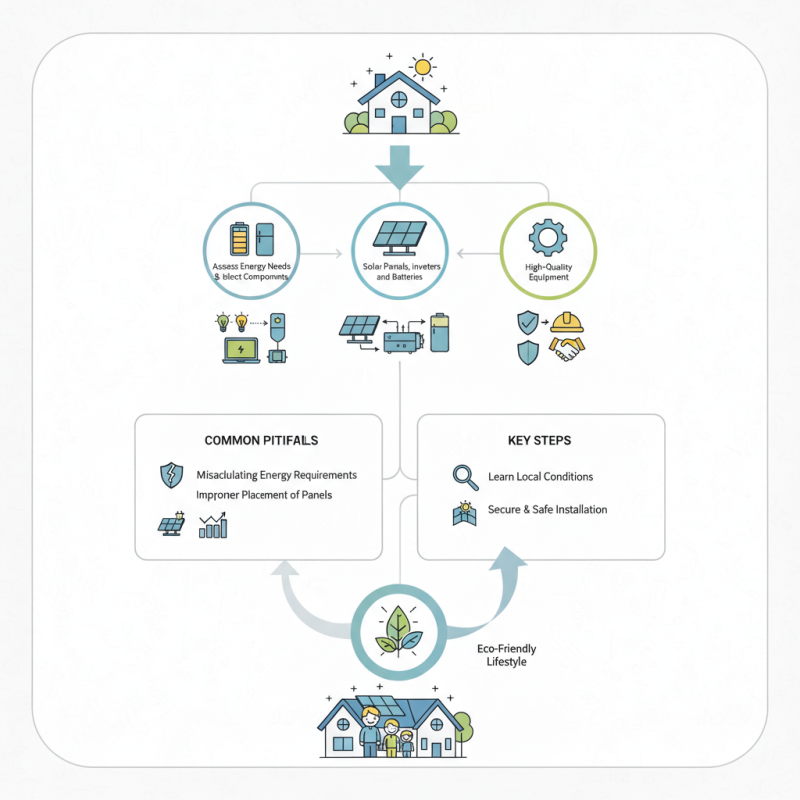
When setting up an off-grid solar system, a solid plan is necessary. You need to assess your energy needs and select the right components. Solar panels, inverters, and batteries all play their roles in creating a reliable energy source. Each part of the system must work together efficiently. Choosing high-quality equipment makes a difference in performance.

Common pitfalls can occur during installation. Miscalculating energy requirements or improper placement of panels are frequent mistakes. Take time to learn about your specific local conditions. Make sure everything is securely installed and meets safety standards. Achieving an eco-friendly lifestyle through solar energy is valuable. With careful thought and preparation, installing an off-grid solar kit can be a rewarding project for homeowners.
How to Install Off Grid Solar Kit for Your Home Tips?

Choosing the Right Off-Grid Solar Kit for Your Home

Choosing the right off-grid solar kit for your home involves careful consideration. Start by evaluating your energy needs. Calculate your daily energy consumption in kilowatt-hours. This helps you determine the size of the solar system you require. Ideally, you want a kit that meets or exceeds your energy demands.

Next, think about the components included in the kit. A complete off-grid solar system typically includes solar panels, a charge controller, batteries, and an inverter. Make sure the batteries have enough capacity to store energy for cloudy days or nights. Quality solar panels are essential too. They should be durable and efficient to maximize energy production.

While selecting a kit, consider your specific location and climate. Different areas receive varying amounts of sunlight. Research the average solar insolation in your region. You might find that some kits perform better in less sunny conditions. Listen to reviews and feedback from other users. Their experiences can reveal potential flaws or advantages you might not have considered. Making an informed choice is crucial for a reliable energy supply.

Gathering Necessary Tools and Equipment for Installation

When installing an off-grid solar kit, gathering the right tools and equipment is crucial. Essential tools include a multimeter, wire cutters, and screwdrivers. Safety gear, such as gloves and goggles, also matters. Accurate measurements are vital for effective installation. A lack of planning can lead to mistakes and wasted resources, which is common among beginners.

The solar industry reports that nearly 3 million homes in the U.S. use solar energy. However, improper installations can cause inefficiencies. For example, misconfigured panels may produce up to 30% less energy. Knowing how to set up your system properly can ensure maximum output. Additionally, understanding the voltage and amp ratings of your equipment helps avoid costly errors.

Documentation plays an important role in the installation process. Relying on guides without verifying details can result in issues. It is wise to double-check all specifications. Engaging online forums or local experts can provide insights to navigate uncertainties. Remember, the right preparation can lead to a successful off-grid solar project.

Step-by-Step Installation Process for Off-Grid Solar System

Installing an off-grid solar system can seem daunting, but breaking it into manageable steps simplifies the process. Begin by assessing your energy needs. This helps determine the size of the solar kit required. After that, choose an appropriate location for your panels. Ensure it receives ample sunlight throughout the day. Trees or buildings that cast shadows can greatly reduce efficiency.

Next, set up the mounting system for the solar panels. Follow the manufacturer’s guidelines carefully. Securely fix the panels to the mount using appropriate hardware. Remember to leave room for airflow underneath. This prevents overheating. Once the panels are in place, it’s time to connect the solar charge controller. This device regulates battery charging and protects against overcharging.

As you connect the batteries, ensure they are wired properly. A mistake here can lead to safety hazards or equipment damage. Testing each step before proceeding further is wise. Check connections for any signs of corrosion or wear. Documenting your process can also help identify areas for improvement in the future. The installation process can be challenging, and reflecting on those challenges is crucial for a successful off-grid setup.

Connecting and Configuring Your Solar Battery and Inverter

Connecting and configuring your solar battery and inverter is essential for an effective off-grid solar system. Start by positioning your inverter near your battery. This reduces potential energy loss during transmission. Use short, appropriate gauge cables to connect them. Ensure that connections are tight to prevent arcing or overheating.

Before connecting, check the voltage rating of your battery and inverter. Mismatched voltages can damage your system. Follow the manufacturer's guidelines for proper installation practices. It’s crucial to observe polarity. Connecting the negative and positive terminals incorrectly could lead to short circuits.

After making the connections, configure the inverter settings. This often involves adjusting parameters like charge voltage and cut-off levels. Each battery type has specific requirements. Take the time to read the manual and get these settings right. A common mistake is to ignore the unique needs of the battery. A wrong setting can shorten battery life or lead to inefficient performance. Regular monitoring of the system is important. Be prepared to troubleshoot and adjust as needed. Each setup is unique, and an adaptable approach is necessary for success.

Testing and Maintaining Your Off-Grid Solar System After Installation

After installing your off-grid solar system, ensuring its efficiency is essential. Routine tests help identify potential issues early. Start by checking the battery's charge level. Ideally, the voltage should remain between 12.5 to 13 volts for optimal performance. If you notice irregularities, it might signal a deeper problem.

Next, inspect the solar panels for dirt or debris. Clean panels can significantly enhance energy absorption. A simple wipe down can elevate performance. Additionally, look for obstructions that might shade the panels during peak sunlight hours. Small trees or buildings can cast shadows, reducing energy output.

Monitoring system components is equally crucial. Examine connections and wiring periodically for signs of wear or corrosion. As systems age, degradation can occur. Keeping a maintenance log helps track any changes or repairs needed. Regular assessments enhance reliability and can save you money in the long run. Remember, even the most advanced systems require tender care to function effectively.

How to Install Off Grid Solar Kit for Your Home Tips? - Testing and Maintaining Your Off-Grid Solar System After Installation

Aspect Details
Solar Panels Monocrystalline panels are more efficient but tend to be more expensive.
Battery Type Lithium-ion batteries offer better performance and lifespan compared to Lead-acid.
Inverter Type Pure sine wave inverters are recommended for sensitive electronics.
Installation Orientation Panels should be installed facing true south in the northern hemisphere for maximum sunlight exposure.
Maintenance Frequency Conduct inspections every 6 months and clean the panels to maximize performance.
Troubleshooting Signs Reduced power output and flickering lights may indicate issues with your system.
Warranty Considerations Check warranty terms for each component, ensuring they are covered for durability.

FAQS

: How do I determine my energy needs for an off-grid solar kit?

: Calculate your daily energy consumption in kilowatt-hours. This figure helps choose the right solar kit size.

What components are typically included in an off-grid solar kit?

A complete system includes solar panels, a charge controller, batteries, and an inverter.

Why is the battery capacity important for my solar kit?

Batteries must store enough energy for cloudy days and nights. A lack of capacity can lead to shortages.

How can climate affect my solar kit's performance?

Different locations receive varying sunlight. Researching your area's solar insolation can guide you to suitable kits.

What tools do I need for installing an off-grid solar kit?

Essential tools include a multimeter, wire cutters, and screwdrivers, along with safety gear like gloves and goggles.

What common mistakes do beginners make when installing solar systems?

Many overlook planning and accurate measurements. This can lead to costly mistakes and reduced energy output.

How often should I test my solar system after installation?

Routine tests are essential. Check the battery charge level regularly to catch issues early.

How can I maintain my solar panels for optimal performance?

Clean panels from dirt and debris. Inspect for shading objects, which can decrease energy production.

Why is documentation important during installation?

Relying solely on guides without verification may lead to problems. Double-check specifications to avoid issues.

How can regular maintenance save me money in the long run?

Keeping a log of assessments helps track issues early. Regular care enhances system reliability and efficiency.

Conclusion

Installing an off-grid solar kit is a sustainable solution for those looking to harness renewable energy in their homes. To begin, it's essential to choose the right off-grid solar kit that fits your energy needs and budget. Once you've made your selection, gather all the necessary tools and equipment for installation, ensuring you're fully prepared for the process.

The actual installation involves a step-by-step approach, starting from mounting the solar panels to wiring the system properly. Connecting and configuring your solar battery and inverter are crucial steps that enable your system to store energy efficiently. After the installation, testing the system and scheduling regular maintenance will ensure optimal performance and longevity of your off-grid solar setup. Following these guidelines will make the process of how to install off grid solar kit much smoother and more successful.

Isabella

Isabella

Isabella is a dedicated marketing professional with a sharp focus on driving brand growth and engagement through strategic content creation. With an extensive background in digital marketing, she combines her passion for storytelling with her keen understanding of industry trends to deliver......