In the quest for sustainable energy, understanding solar panels is essential. The question, "what is the difference between mono and poly solar panels," arises frequently among homeowners and businesses. According to Dr. Emily Hart, a leading expert in solar energy, “Choosing the right type of solar panel can affect efficiency and cost significantly.”
Mono and polycrystalline panels differ in structure and performance. Mono panels typically offer higher efficiency and a sleek design. However, they often come with a higher price tag. On the other hand, poly panels are more affordable but might yield slightly lower efficiency. This price-performance ratio is crucial for budget-conscious consumers.
Despite these distinctions, many still find the decision process daunting. The future of solar energy relies on informed choices. Evaluating personal energy needs and environmental goals is important. As technology progresses, potential buyers should continuously seek reliable information. Understanding these differences can lead to smarter investments.
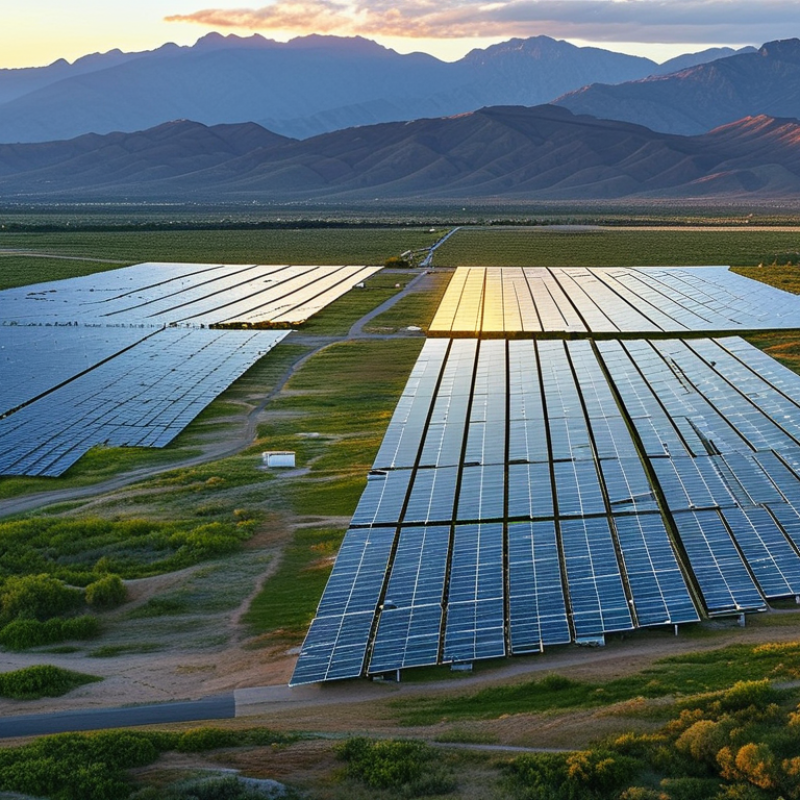
Mono solar panels are made from a single crystal structure, typically silicon. This design allows them to achieve high efficiency rates, often above 20%. They perform well in low-light conditions and have a longer lifespan compared to other types. The manufacturing process for mono panels involves purifying silicon. The more refined the silicon, the less waste is produced. This results in panels that are both efficient and sustainable.
When considering mono solar panels, it's important to analyze their size and space requirements. They require more space compared to poly solar panels for the same power output. If your roof space is limited, this could be a significant factor. Moreover, installation costs may vary based on the complexity of setup and the specific energy needs of your home.
Tips: Consider the climate in your area when choosing solar panels. Mono panels work best in sunny locations. Conduct a shading analysis to ensure maximum exposure to sunlight. Your roof's angle and design also play crucial roles in efficiency. Assessing these factors can lead to better energy output and savings. Keep in mind, the higher initial costs may result in long-term benefits through energy savings.
Poly solar panels, made of multiple silicon crystals, have distinct advantages. They are often more affordable than their mono counterparts. This price point makes them a popular choice for many residential users. The production process for poly panels is less resource-intensive, which can be beneficial for reducing overall environmental impact.
In terms of functionality, poly solar panels typically provide good efficiency rates. However, they tend to perform slightly lower in low-light conditions. Their structure means they capture sunlight effectively, especially in bright weather. Some users report that this performance fluctuation can be a drawback in areas with frequent cloud cover.
Another consideration is durability. While poly panels are generally sturdy, the multi-crystal structure can sometimes lead to more wear over time. This raises questions about long-term efficiency and performance. Buyers need to weigh initial costs against potential future maintenance. It's essential to consider both immediate needs and long-lasting solutions when choosing poly solar panels.
When examining the efficiency of mono and poly solar panels, several key differences emerge. Mono solar panels tend to be more efficient than their poly counterparts. Their efficiency rates often reach up to 22%, while poly panels usually hover around 15-18%. This higher efficiency means that mono panels convert more sunlight into electricity, which can lead to greater energy output.
The differences in efficiency stem from the manufacturing processes. Mono panels are crafted from single crystal silicon, resulting in a uniform structure. This enhances electron movement, enabling better performance in low-light conditions. In contrast, poly panels are composed of multiple silicon crystals, which can create barriers that hinder efficiency. These barriers can lead to wasted energy under certain circumstances, especially on cloudy days.
However, poly panels are generally cheaper to produce. This price advantage attracts many consumers. Some may opt for poly panels despite their lower efficiency, especially if budget is a concern. It's a trade-off between cost and performance. Buyers should reflect on their specific energy needs and financial situation before making a decision. Balancing these factors can be challenging, yet it is crucial for selecting the right solar solution.
This chart compares the average efficiency between mono and poly solar panels. Mono panels typically achieve higher efficiency due to their single-crystal structure, while poly panels are generally less efficient but may be more cost-effective in certain applications.
When comparing mono and poly solar panels, cost is often a deciding factor for consumers. Mono panels, typically recognized for their higher efficiency and durability, usually come with a higher price tag. Their manufacturing process involves more refined silicon, resulting in better performance in low-light conditions. This could mean a faster return on investment over time.
On the other hand, poly panels are generally more affordable. Their production involves less energy and raw materials, making them less expensive. However, this cost-effectiveness comes at a price: lower efficiency and larger space requirements. This might lead to increased installation costs if more panels are needed for the same energy output.
In considering these aspects, one must reflect on the long-term implications. Choosing a cheaper option might not always yield the best value. Efficiency, space, and future energy needs play a crucial role in this decision. It's worth pondering if initial savings could lead to higher expenses down the line. Both types have their merits and drawbacks, and understanding them can help in making a more informed choice.
When considering the installation of solar panels, both mono and poly options have their unique aspects.
Mono solar panels are known for their sleek design and higher efficiency. However, they typically come at a higher cost. Their installation requires careful planning due to weight and space considerations.
Professional installers often recommend assessing the roof's structural integrity.
Poly solar panels, while less efficient, offer cost savings. This makes them popular for larger installations. They are heavier, which can complicate roof mounting. Some installers may overlook the need for proper support.
It’s crucial to ensure adequate space and structural support for both types.
Factors like shading, roof angle, and climate can impact performance. Mono panels perform better in low light conditions. Conversely, poly panels may handle high temperatures slightly better. Knowing these details can aid in making an informed decision that balances cost and efficiency.
: Poly solar panels consist of multiple silicon crystals, giving them unique properties and affordability.
They perform slightly lower in low-light situations, which may not be ideal for cloudy regions.
Yes, poly panels are often more affordable, making them a popular choice for residential users.
Assessing roof structural integrity and ensuring adequate space for support are critical during installation.
They may experience more wear over time, raising concerns about long-term performance and efficiency.
Yes, shading, roof angle, and climate significantly influence both mono and poly panel efficiency.
Their cost savings make poly panels an appealing option for larger roofs or installations.
Some users find their performance fluctuates in areas with frequent cloud cover, which can be problematic.
Mono panels have a sleek design and higher efficiency but come at a higher cost and require careful planning.
Poly panels may handle high temperatures better, while mono panels excel in lower light conditions.
This article explores "what is the difference between mono and poly solar panels" by first examining mono solar panels, which are made from a single crystal structure, allowing for higher efficiency and performance in limited space. It discusses their operational mechanisms and benefits, such as better performance in low-light conditions.
In contrast, the article delves into poly solar panels, which are composed of multiple crystal structures, making them less efficient but more cost-effective. It highlights key differences in efficiency, installation considerations, and a cost comparison between the two panel types. By the end, readers gain a comprehensive understanding of the advantages and drawbacks of each panel type to make informed decisions for their solar energy needs.

Aryam Energy