How to Convert Your Home to Solar Energy Easily?

Time:2026-08-05 Author:Mason
0%

Transitioning to solar energy is more achievable than many homeowners realize. Experts like Dr. Emily Carter, a leading authority in renewable energy, emphasize, “Converting a regular home to solar energy is a practical step toward sustainability.” With rising energy costs and growing environmental concerns, many are asking how to convert a regular home to solar energy.

This journey begins with understanding your energy needs. Assess your current usage and consider how much energy you want to generate. Engaging with professionals can provide valuable insights. A common misstep is underestimating the installation process. Cost and efficiency can vary widely.

It’s important to consider potential limitations too. Not every home is ideal for solar panels. Shade from trees or buildings can impact performance. Additionally, local regulations may pose challenges. Remember, the transition requires planning and may take time. Yet, the benefits of reducing your carbon footprint and lowering utility bills make it worthwhile. Dive into this guide, and discover how to navigate this transition effectively.
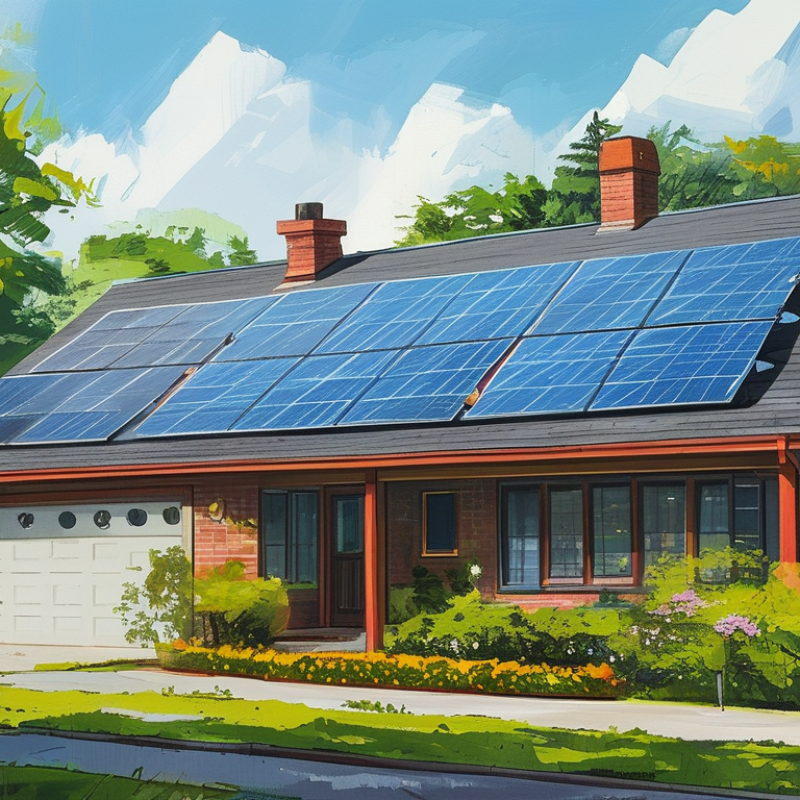
How to Convert Your Home to Solar Energy Easily?

Understanding Solar Energy and Its Benefits for Your Home

Switching to solar energy can significantly reduce your home energy bills and carbon footprint. According to the U.S. Department of Energy, solar energy can lower electricity costs by 50% or more. This clean, renewable energy source is becoming increasingly efficient, making it an attractive option for homeowners.

Solar panels convert sunlight into electricity, making use of a sustainable resource. Solar energy systems can also increase your property value. A study by the National Renewable Energy Laboratory found homes with solar installations can sell for up to 4% more than those without. This is a compelling reason to consider a solar system.

Tip: Before converting, assess your roof’s condition. It should be sturdy and ideally south-facing for maximum sun exposure.

Additionally, be aware of the initial investment. While costs have decreased, installation can still be pricey. Look into local incentives or tax credits that can mitigate expenses. Some homeowners hesitate due to financing concerns, but options are available.

Tip: Research financing plans or leasing agreements. These can make solar more accessible if upfront costs are daunting.

Transitioning to solar energy is beneficial, but it requires careful planning and consideration of your unique circumstances. Each home has different needs, and it is essential to explore multiple options.

Assessing Your Home's Suitability for Solar Energy Installation

Assessing your home's suitability for solar energy installation involves several key factors. Start by evaluating your roof's condition. It should be in good shape, free of leaks or damage. Ideally, the roof should face south or west to maximize sunlight exposure. If it has significant shading from trees or nearby buildings, solar panels may not yield optimal energy. Consider the roof angle as well; a pitch between 15 and 40 degrees is preferred for efficiency.

Next, look into your energy needs. Review your electricity bills from the past year. This gives you a clear picture of your consumption patterns. Take note of any appliances that consume excessive energy. You may need to upgrade insulation or windows before installing solar to enhance efficiency. Also, check local regulations and incentives for installing solar systems, as they can vary significantly.

Finally, consult with a professional. An expert can conduct a site assessment to identify potential issues. They provide tailored recommendations based on your unique circumstances. Remember, this process is not just about installation. It requires careful planning and consideration of your home's dynamics. Being aware of these factors will help you make informed decisions.

Choosing the Right Solar Panel System for Your Needs

Choosing the right solar panel system is crucial for converting your home to solar energy. Start by assessing your energy needs. Look at your electricity bills to find your average usage. This will guide you in selecting an adequate system size.

Consider the types of solar panels available. Monocrystalline panels are efficient and space-saving. However, they can be more costly. Polycrystalline panels are affordable but offer lower efficiency. Think about your budget and space before deciding. Research local incentives or rebates that can help offset costs.

Installation can be challenging, so professional help may be necessary. Sometimes, DIY approaches lead to mistakes. Reflect on your skills and time commitment before proceeding. You might run into unexpected issues during installation. Remain prepared to adapt your plans as needed.

How to Convert Your Home to Solar Energy Easily? - Choosing the Right Solar Panel System for Your Needs

Solar Panel Type Efficiency (%) Cost per Watt ($) Lifespan (Years) Ideal For
Monocrystalline 15-22% $0.75 - $1.00 25-30 Residential, Small Roofs
Polycrystalline 13-16% $0.60 - $0.85 20-25 Budget-Friendly, Larger Spaces
Thin-Film 10-13% $0.50 - $0.75 10-20 Large Areas, Unique Applications
Bifacial 15-20% $0.80 - $1.10 25-30 High Efficiency, Ground-Mounted Systems

Steps to Install Solar Panels: A DIY Guide

Installing solar panels at home can be a game-changer. According to the U.S. Department of Energy, residential solar installations have increased by over 167% from 2010 to 2020. However, converting your home to solar energy requires careful planning.

To begin, evaluate your roof's condition and orientation. A south-facing roof is ideal for maximizing sunlight exposure. Ensure your roof can withstand the weight of the solar panels. Assessing potential shading from trees or buildings is crucial as well. A clear, unobstructed roof allows for better energy capture.

Next, gather the necessary materials. Install a mounting system to secure the panels. You’ll need solar panels, an inverter, and wiring. Make sure to follow all local regulations and obtain required permits. Survey data indicates that improper installation can reduce efficiency by up to 30%. It’s essential to take your time at each step to ensure everything is done right. Carefully reading the manuals and guidelines can prevent costly mistakes.

Finally, connect the inverter to your home’s electrical system. Take care with each connection; even small errors can lead to malfunction. Regularly checking system performance can help you address issues early. Embrace the learning curve involved in this process and reflect on your progress frequently.

Cost Analysis of Solar Panel Installation

This chart shows the breakdown of costs associated with converting your home to solar energy. The largest expense typically comes from the solar panels themselves, followed by the inverter and installation costs. Understanding these costs can help you budget for a solar energy system more effectively.

Exploring Financial Incentives and Rebates for Solar Energy Conversion

Converting your home to solar energy can be a smart move, especially with available financial incentives. Many homeowners overlook the potential rebates and tax credits that can significantly reduce installation costs. These incentives can vary by state and locality, so it’s vital to research what's available in your area.

One often-missed tip is to check local utility companies for incentives. Some may offer discounts or rebates for solar panel installations. This can lead to substantial savings in your initial investment. Additionally, consider the federal solar tax credit, which allows you to deduct a percentage of your solar installation costs from your federal taxes.

While navigating the financial landscape of solar energy can be complex, it is worthwhile. Don't hesitate to consult with professionals who can provide guided advice. They can help you understand eligibility requirements for rebates. Remember to ask about any hidden fees or conditions that may apply. Taking the time to reflect on your options can yield better financial outcomes in your solar journey.

FAQS

: How can I determine if my home is suitable for solar energy?

: Check your roof’s condition. It should be intact, without leaks or damage.

What roof orientation is best for solar panels?

A south or west-facing roof maximizes sunlight exposure for better energy production.

Does tree shading affect solar panel efficiency?

Yes, significant shading can reduce energy yield. Clear, unobstructed areas are best.

How should I assess my energy needs before installation?

Review your electricity bills from the past year to understand consumption patterns.

Are local regulations important for solar installation?

Yes, regulations and incentives vary widely. Check them before starting your project.

Should I consult a professional for solar installation?

Absolutely. An expert can identify issues and provide tailored recommendations for your home.

What materials do I need for DIY solar panel installation?

Gather solar panels, an inverter, wiring, and a mounting system for secure installation.

Why is following installation guidelines important?

Improper installation can reduce efficiency by up to 30%. It’s crucial to do it right.

How often should I check my solar system’s performance?

Regular checks help identify and address issues early, ensuring consistent energy output.

What is the importance of reflecting on the installation process?

Embracing the learning curve helps improve understanding and can prevent future mistakes.

Conclusion

Converting a regular home to solar energy is an increasingly accessible and beneficial choice for homeowners. To start, it's essential to understand solar energy and the advantages it offers, such as reduced energy bills and a smaller carbon footprint. Next, assessing your home’s suitability for solar installation involves evaluating factors like roof orientation and shading.

Selecting the right solar panel system tailored to your specific energy needs is crucial for optimal performance. For those inclined to take a hands-on approach, a DIY guide provides step-by-step instructions for installing panels. Lastly, exploring financial incentives and rebates can significantly reduce the initial investment, making the transition to solar energy not only feasible but also financially savvy.

Mason

Mason

Mason is a seasoned marketing professional with a deep expertise in the company's offerings and a passion for driving brand awareness. With a strong background in digital marketing strategies, he has an innate ability to connect with diverse audiences and effectively communicate product benefits.......