Choosing the right inverter can shape a solar system’s cost, reliability, and daily energy production. The decision is not simply about selecting newer technology. It requires careful attention to roof design, shade, maintenance access, electrical conditions, and future expansion. This introduction explains how to choose between microinverters and string inverters through practical, evidence-based considerations.
Bill Brooks, PE, a respected photovoltaic-system engineer and inverter specialist, has stated, “There is no best inverter for every application.” That principle remains useful. A string inverter may suit a broad, unshaded roof with panels facing one direction. It often offers a lower initial cost and simpler equipment layout. A microinverter may perform better when trees shade different panels at different times. It can also support panel-level monitoring and flexible roof arrangements.
Look closely at the roof. A chimney shadow crossing three panels at 9 a.m. can affect a string system differently from a microinverter system. Installation quality matters just as much as equipment selection. A poorly designed microinverter system can still disappoint. A well-designed string system can perform reliably for many years.
The phrase how to choose between microinverters and string inverters should lead to questions, not quick conclusions. Compare warranties, replacement procedures, local installer experience, temperature conditions, and monitoring features. Cost estimates can also hide future labor expenses. That part is easy to overlook.
There is no universal winner. Real projects contain compromises. A careful assessment may reveal that the most popular option is not the most sensible one for your roof.
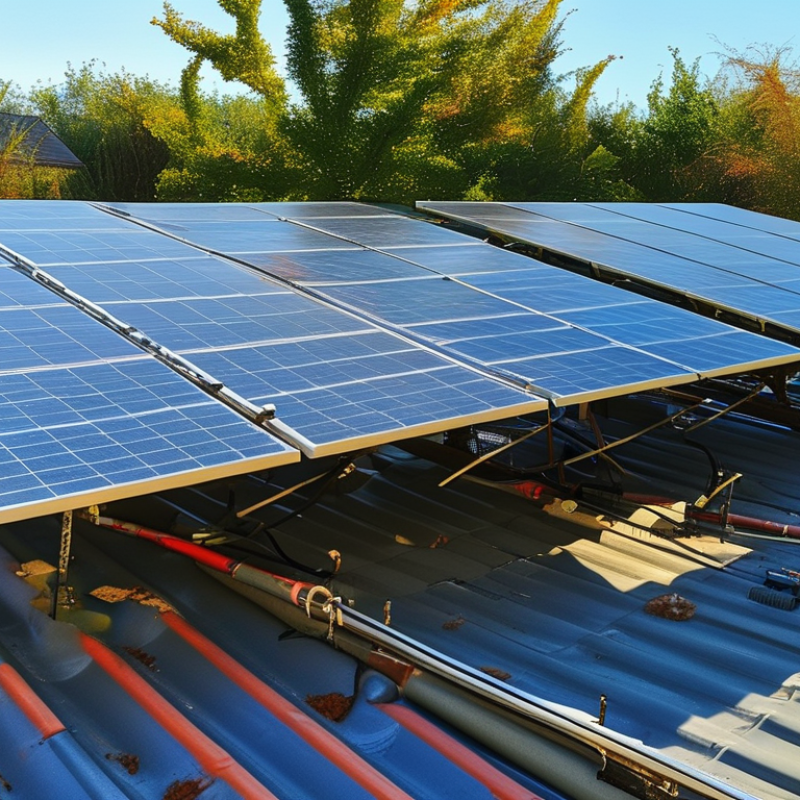
Microinverters and string inverters perform the same core task: they convert solar panels’ direct current into usable alternating current. Their architecture differs. A microinverter sits behind each panel, so every module operates independently. A string inverter connects several panels in series, then manages their combined output from one central unit.
This distinction matters on real rooftops. With microinverters, one shaded or dirty panel usually affects only its own production. String systems can lose more output when panels share different roof angles or shading conditions. However, string inverters are often simpler to access and may reduce equipment costs. The National Renewable Energy Laboratory notes that shading, orientation, and system design strongly influence annual photovoltaic yield. Hardware alone does not decide performance.
The IEA PVPS Trends 2024 report recorded more than 400 GW of new solar capacity installed worldwide in 2023. That scale makes dependable monitoring important. Microinverters provide panel-level data, while string systems commonly use string-level monitoring. Both can be engineered well. Neither is automatically superior.
Tips: Map shade across the roof during morning, noon, and late afternoon. Ask for inverter efficiency, operating-temperature limits, warranty terms, and replacement access. Compare total installed cost, not only the inverter price. A small roof may benefit from panel-level control, but a clear, unshaded roof can favor a simpler string layout. The choice is not perfectly tidy; installers can still underestimate future shading from trees or nearby construction.
A string inverter connects several solar modules in series. Their direct-current output travels to one central device. The inverter then converts DC electricity into grid-compatible alternating current. Each module affects the string’s operating current. A shaded or dirty panel can therefore reduce the output of its neighbors.
Microinverters use a different structure. Each module receives its own small inverter beneath the panel. Every unit performs maximum power point tracking independently. This lets one shaded module operate without strongly limiting nearby modules. Monitoring also becomes more detailed, often showing performance panel by panel. The design adds more electronics to the roof, however. That can complicate replacement work.
Modern commercial PV inverters commonly exceed 98% peak efficiency, according to Fraunhofer ISE’s Photovoltaics Report 2024. Peak efficiency is not annual energy yield. Temperature, shading, cable losses, and nighttime consumption still matter. The IEA PVPS Trends 2024 report recorded roughly 447 GW of new solar capacity installed globally in 2023. At that scale, small design errors become expensive.
A practical inspection often reveals the difference. A clear, unshaded roof may suit a string layout with short cable runs. A roof with vents, trees, or several orientations may benefit from module-level control. Yet microinverters are not automatically better. More rooftop components mean more potential service points. The honest answer is less exciting: local shade patterns and maintenance access should decide.
How to Choose Between Microinverters and String Inverters?
Energy performance depends heavily on the roof, not only the inverter type. String inverters perform efficiently when panels share similar sunlight and orientation. They often cost less initially and waste little energy during ideal midday conditions. However, one shaded panel can reduce the output of its connected string. Dust, chimneys, and seasonal shadows matter.
Microinverters control each panel separately. This helps maintain production when some modules face shade or different roof angles. Module-level monitoring can also reveal a weak panel before the monthly bill shows a problem. The gain is not automatic. On a clear, uniform roof, the extra electronics may deliver only a modest advantage. Real measurements are better than sales estimates.
Reliability requires a broader view. A string system places fewer electronic units outdoors, which may simplify maintenance. Yet, a central inverter failure can interrupt a large section of generation. Microinverters reduce that single-point risk because one failure usually affects one panel. They operate beneath hot modules, though, and rooftop heat can challenge long-term components. Access is easy during installation, but less convenient after construction.
Designers should inspect shading, ventilation, roof access, cable routes, and local service quality. I would also compare measured temperature data, not just efficiency ratings. Small assumptions can become expensive. Even experienced planners can overlook late-afternoon shade. A conservative production model is often more useful than a perfect-looking forecast.
Choosing between microinverters and string inverters depends heavily on installation, maintenance, and long-term system costs. During site assessments, I compare roof direction, shade, cable routes, and access for future repairs. A string inverter usually requires fewer components and simpler wiring. Installation can therefore be quicker and less expensive. However, shade on one panel may reduce the output of several connected panels.
Microinverters are installed behind individual panels, so they often need more labor and rooftop handling. Their distributed design can improve energy harvest on roofs with different angles or partial shade. Maintenance also changes. A string system has one central inverter, which is easier to reach and test. If it fails, however, the whole array may stop producing electricity. A microinverter failure usually affects one panel, but reaching a rooftop unit can be difficult and costly. I once underestimated access costs during a project. That mistake was mine.
Look beyond the initial quotation. Ask for separate prices for mounting, wiring, monitoring, labor, permits, and future service visits. Request production estimates based on the actual roof, not an ideal model. Local labor rates and roof height can change the final cost significantly. A simple, unshaded roof may favor a string inverter. A complex roof may justify the higher installation cost of microinverters. Independent electrical review and clear warranty terms add reliability. Numbers need context.
Choosing the right inverter starts with the site, not the product brochure. Walk around the roof at different hours. Note shade from chimneys, trees, and nearby buildings. A string inverter often suits a clear, uniform roof with panels facing one direction. It can reduce equipment costs and simplify maintenance. However, one shaded panel may affect the output of its connected string. That detail matters more than a small price difference.
Microinverters work at the panel level, so each module operates more independently. They can be useful on roofs with multiple angles, partial shade, or planned expansion. Monitoring may also show which panel is underperforming. In practice, this makes troubleshooting less of a guessing exercise. But more rooftop electronics mean more installation points and possible service visits. Do not assume panel-level control always means higher annual production. Your installer should model shading, cable runs, ventilation, and expected temperature.
Ask for a written comparison using your actual roof plan and local weather data. Check efficiency across the operating range, warranty terms, replacement access, and monitoring ownership. An experienced installer should explain assumptions in plain language. If the estimate depends on perfect sunlight, question it. Real roofs are rarely perfect. I would also leave room for future loads, such as an electric vehicle or heat pump. Still, oversizing the system today may not suit your budget or utility limits.
Several solar panels connect in series. Their electricity travels to one central inverter, which converts DC into usable AC power.
Each panel has a small inverter beneath it. Every unit manages its panel’s power independently.
In a string system, one shaded panel can reduce nearby panels’ output. A microinverter usually limits the effect to one panel.
A string inverter may suit a clear roof with one direction and short cable runs. Simple layouts often cost less.
Microinverters may help on roofs with vents, trees, or several panel directions. Module-level control can improve performance in uneven sunlight.
No. It adds more rooftop electronics and service points. More equipment is not automatically better.
A string inverter is usually easier to reach and test. However, one failure can stop the entire array.
Usually, only its connected panel stops producing electricity. Reaching the rooftop unit may still be difficult and expensive.
Compare mounting, wiring, monitoring, labor, permits, and future service visits. The first quotation is not the whole cost.
It should reflect shade, temperature, cable losses, roof access, and nighttime consumption. Ideal models can mislead. I have underestimated access costs before.
Choosing the right solar inverter is an important decision that affects system performance, reliability, and long-term value. This article explains what microinverters and string inverters are and how each one converts solar energy for household or commercial use. Microinverters operate independently on individual panels, while string inverters manage electricity from multiple panels connected in a series. Understanding these operating methods helps readers compare their effects on energy production, shading response, monitoring, and system reliability.
The guide also examines installation requirements, maintenance considerations, equipment costs, and potential long-term savings. Microinverters may offer greater flexibility and panel-level control, whereas string inverters can provide a simpler and more economical design for suitable projects. By considering roof layout, sunlight conditions, expansion plans, budget, and maintenance preferences, property owners can better understand how to choose between microinverters and string inverters and select a solution that matches their solar project’s practical and energy goals.

Aryam Energy